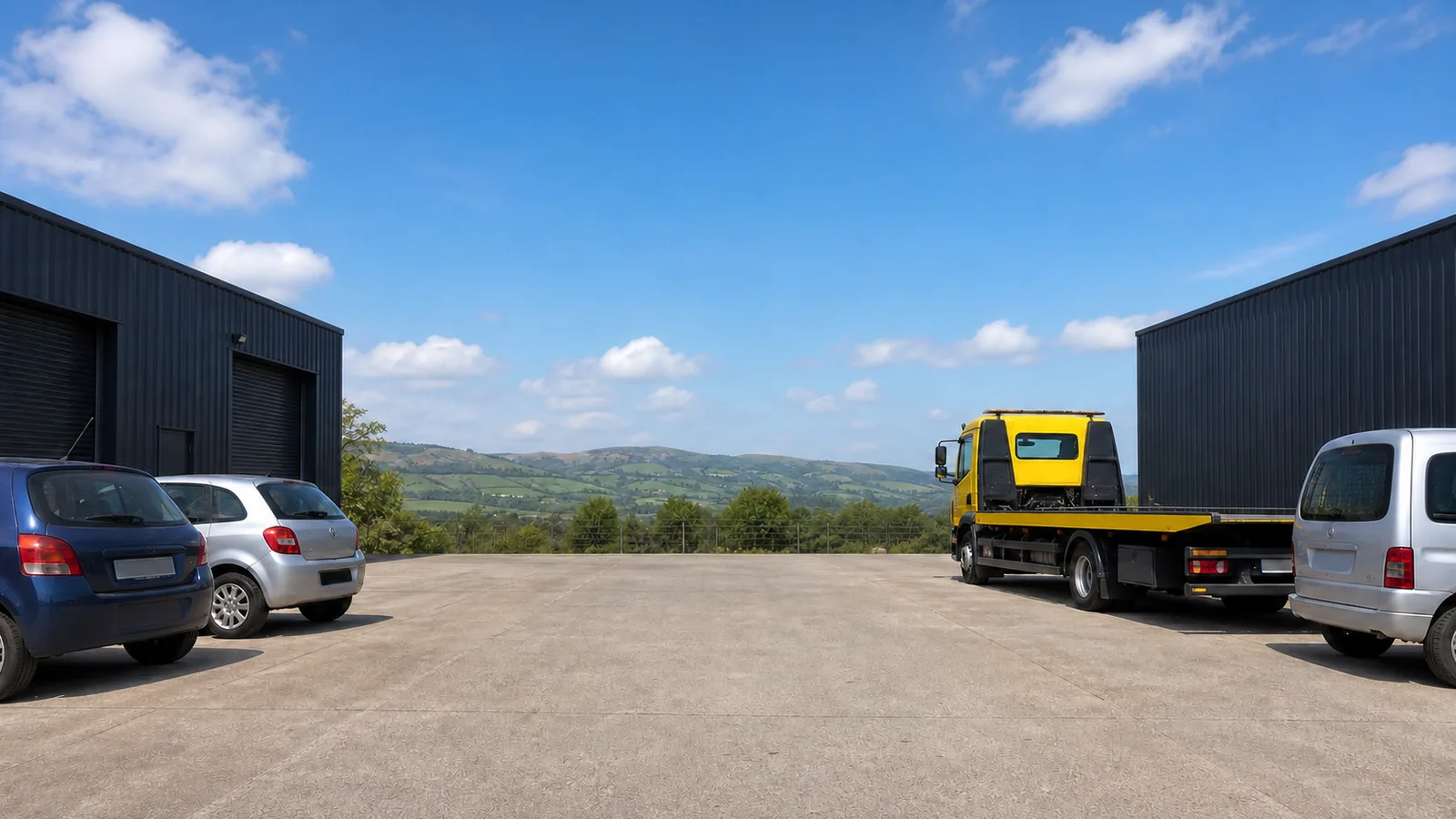
Selling a genuinely repairable used vehicle to another owner is not the same as scrapping an end-of-life vehicle. Once the decision is to discard the car for depollution, dismantling and destruction, GOV.UK says it must be scrapped at an authorised treatment facility.
When is a private sale different from scrapping?
A private sale transfers a vehicle that the buyer intends to use, repair or resell. The seller must describe it honestly, establish the buyer's details and complete the appropriate vehicle transfer. Calling a badly damaged or unwanted vehicle “sold” does not remove waste controls if the real arrangement is unregulated breaking and disposal.
Ownership must also be clear. A V5C is not proof of legal ownership, and a financed, leased, insurer-controlled, abandoned or disputed car cannot be disposed of merely because somebody has its keys.
Where can a car legally be scrapped?
Only an ATF can carry out the regulated depollution and destruction of an end-of-life vehicle. A legitimate collection company can collect from the owner and deliver it into the receiving ATF route. That does not mean every recovery truck, social-media advert or person breaking cars at home is authorised to receive and treat vehicle waste.
Blackburn Scrap Yard records the vehicle and supplier, confirms the quote and bank-transfer terms and completes the motor-trade notification with the keeper's consent. The receiving ATF handles the destruction record when the vehicle is completely scrapped.
How can I check the route?
Ask for the collector or dealer identity, the receiving facility and the records you will receive. The authorised treatment facility directory provides Environment Agency-based profiles for checking local operators. Do not rely only on a business name painted on a vehicle.
At handover, expect name and address verification, a traceable transaction record and non-cash payment for a scrap vehicle in England or Wales. Keep the collection receipt, bank record, DVLA confirmation and later Certificate of Destruction where the vehicle is eligible.
Can an ATF repair and resell the car?
Yes. GOV.UK says that once an ATF has the vehicle, it can decide to completely scrap it or repair and sell it. A Certificate of Destruction is issued only when an eligible vehicle is completely scrapped. If it is repaired or resold, the ownership and DVLA transfer evidence follows that outcome instead.
This distinction is why a collection receipt and a CoD are not interchangeable. Do not advertise the car as destroyed until the ATF has actually created the destruction record.
What about removing parts at home?
Taking a permitted part from your own car for another vehicle you own is a narrow exception with SORN and pollution safeguards. Repeatedly buying vehicles to break for sale, storing waste vehicles or draining fluids is a regulated activity, not an ordinary private sale. Use the dedicated dismantling guide before attempting it.
Check the receiving facility's environmental permit and the dealer or collector licence relevant to the handover. A waste-carrier registration can support transport, but it does not by itself authorise a person to depollute and dismantle an end-of-life vehicle at an unpermitted site.
Read where GOV.UK says vehicles can be scrapped and when the Environment Agency treats a vehicle as waste.
Legal Context
A genuine sale of a repairable vehicle is lawful, but an end-of-life vehicle being scrapped must go to an ATF. Licensed collection can feed that route; unpermitted home breaking cannot replace it.
Why This Matters
Describing disposal as a sale, using an unverified home breaker, confusing a receipt with a CoD and ignoring finance, insurer or ownership rights can leave the vehicle and record unresolved.
Quick Step-by-Step Summary
- Decide whether the vehicle is genuinely being sold or discarded
- Resolve ownership, finance and insurer interests
- Verify the collection and ATF route
- Complete identity, payment and transfer checks
- Keep the receipt and the correct resale or destruction evidence
Sources & References
- GOV.UK authorised-treatment-facility guidance
- Environment Agency motor-vehicle waste guidance and Home Office dealer guidance
Helpful External Links
- https://www.gov.uk/scrapped-and-written-off-vehicles/where-vehicles-can-be-scrapped
- https://www.gov.uk/guidance/when-a-motor-vehicle-is-waste
- https://www.gov.uk/government/publications/scrap-metal-dealers-act-2013-supplementary-guidance/scrap-metal-dealers-act-2013-supplementary-guidance-accessible